
Blog
Understanding the psychological effects of gambling on decision-making processes

Understanding the psychological effects of gambling on decision-making processes
The Nature of Gambling and Its Appeal
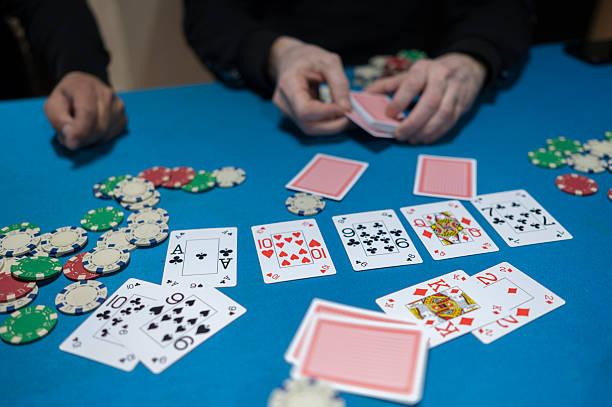
Gambling has long been a popular pastime, attracting millions of individuals to casinos and online platforms alike. The thrill of placing a bet, the uncertainty of the outcome, and the potential for significant financial gain create an exhilarating experience. This appeal is deeply rooted in human psychology, where the concepts of risk, reward, and excitement intertwine. The immediate rewards from gambling can lead to a rush of dopamine in the brain, reinforcing the behavior and enticing players to return for more. For those seeking an exciting online gaming experience, casino-dionyx.net offers a wide variety of options.

The psychological allure of gambling often stems from the element of chance that accompanies games of luck. For many, it’s not merely about money but also about the excitement of the unknown. The anticipation before revealing the outcome can trigger feelings of suspense and elation. This excitement can be intoxicating and often clouds judgment, leading individuals to make impulsive decisions without considering the long-term consequences.
Furthermore, the social aspect of gambling contributes to its appeal. Many players enjoy the camaraderie found in casinos or online gaming communities. This social interaction can provide a sense of belonging and validation, enhancing the overall experience. Unfortunately, this community can sometimes foster unhealthy competition and peer pressure, prompting individuals to gamble beyond their means.
The Psychological Mechanisms Behind Decision-Making
Understanding how gambling affects decision-making involves delving into several psychological mechanisms. Cognitive biases, such as overconfidence and the illusion of control, play significant roles. Many gamblers develop an inflated sense of their ability to predict outcomes, believing that their strategies can influence chance-based games. This mindset can lead to increased betting and ultimately detrimental financial decisions.
Additionally, gamblers often experience what is known as “loss aversion,” a principle suggesting that the pain of losing is psychologically more impactful than the pleasure of gaining. This aversion can drive players to chase losses, making further bets in hopes of recovering their initial investment. Such behavior demonstrates how emotions can significantly distort rational decision-making processes.
The context in which decisions are made also greatly influences gambling behaviors. When individuals are in a high-stress environment or experiencing emotional turmoil, they may be more prone to gamble. This is often a misguided attempt to escape negative feelings or to seek validation through potential winnings. Recognizing these triggers can be essential in understanding the dynamics of gambling-related decision-making.
The Impact of Gambling Addiction on Choices
Gambling addiction is a serious condition that profoundly affects decision-making abilities. Individuals struggling with addiction may prioritize gambling over essential responsibilities, relationships, and even their mental health. This compulsive behavior often leads to a vicious cycle of decisions driven by the need to satisfy the addiction, rather than sound judgment.
The impaired decision-making seen in those with gambling addiction can result from changes in brain chemistry, similar to substance abuse disorders. The altered state of cognition can lead to reckless choices, financial ruin, and emotional distress. Understanding this impact is crucial in addressing the challenges faced by those affected by gambling addiction.
Moreover, the stigma surrounding gambling addiction can hinder individuals from seeking help. Many suffer in silence due to feelings of shame or embarrassment. Raising awareness about the psychological effects of gambling, including its potential for addiction, is vital in encouraging those affected to reach out for support and assistance in reclaiming control over their lives.
Strategies for Responsible Gambling
While gambling can be an enjoyable form of entertainment, it is essential to promote responsible gambling habits. Setting strict limits on time and money can significantly reduce the risk of developing problematic behavior. Players should be encouraged to establish budgets and adhere to them, treating gambling as an expense rather than a source of income.
Another effective strategy is to take regular breaks during gaming sessions. This pause allows individuals to step back, assess their emotions, and reflect on their decisions without the immediate pressures of the game. By implementing such strategies, players can maintain a healthier relationship with gambling and minimize the psychological risks involved.
Education plays a crucial role in responsible gambling. Informing players about the odds of games, the likelihood of losing, and the signs of addiction can foster a more mindful approach to gambling. Providing resources for those who feel their gambling is becoming problematic can also empower individuals to seek help before the situation escalates.
Dionyx Casino and Responsible Gaming
Dionyx Casino is dedicated to providing a safe and enjoyable gaming experience for all players. With a wide selection of games and betting options, the platform emphasizes responsible gambling practices. New users can take advantage of an impressive welcome package, while the casino also prioritizes player education on gambling risks.
The platform features a robust support system, ensuring players have access to the resources and assistance they may need. Dionyx Casino is committed to promoting a responsible gaming environment that focuses on player well-being, allowing for a balanced and enjoyable gaming experience. By fostering awareness and providing support, the casino plays an essential role in helping individuals navigate the psychological effects of gambling.